Hailo Lays Off Half Its Workforce as It Seeks a Buyer or Investor
8 June, 2026
The Israeli AI chipmaker will cut about 110 jobs while exploring acquisition and investment options, signaling a dramatic shift from the IPO plans it promoted just two years ago
By Yohai Schwiger
Israeli semiconductor company Hailo announced on Monday that it will lay off approximately 110 employees—about half of its workforce—as part of a broad restructuring effort aimed, according to the company, at adapting its organizational structure for the next phase of its business.
This marks the company’s second round of layoffs in recent months, following a smaller workforce reduction earlier this year.
In a statement, Hailo said it is “continuing its efficiency measures while evaluating strategic alternatives for raising capital.” The company later clarified that these alternatives include “an acquisition or investment.”
The statement further noted that the workforce reduction is intended to create “a lean and efficient technology operation” that will better support the company’s target markets while providing “a more flexible investment model for potential acquirers or investors.”
The wording offers a rare glimpse into the thinking behind the move. While many companies frame layoffs strictly as a cost-cutting measure, Hailo explicitly links the workforce reduction to the possibility of bringing in a strategic investor or pursuing a sale of the company.
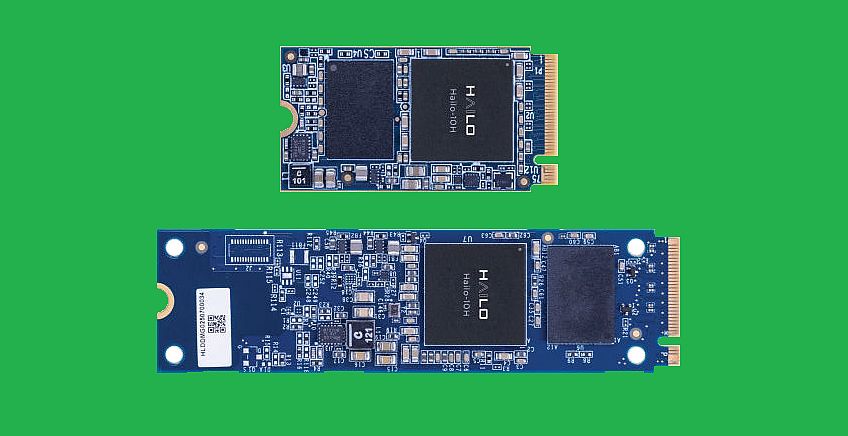
According to Hailo, more than 500,000 units of its Edge AI acceleration processors have been sold to date. The company says it has built a global network of partners and distributors that now allows it to reduce some of the customer support and sales functions that were previously handled internally.
At the same time, Hailo is increasingly focusing on the emerging Physical AI market, including robotics, drones, defense applications, and intelligent IoT devices.
“Our actions today will allow us to maintain our technological leadership and continue creating value for both existing and future customers,” said Hailo CEO Orr Danon.
“We are seeing artificial intelligence move beyond the cloud and into the physical world, with tens of millions of IoT devices, drones, and robots expected to emerge in the near future,” he added.
The move represents a significant turning point for the company. In June 2024, Hailo raised $120 million at a valuation of approximately $1.2 billion, joining the ranks of Israel’s unicorn startups. At the time, the company spoke openly about continued growth and was preparing for a potential future IPO.
Since then, however, market conditions have changed dramatically.
Despite the unprecedented boom in artificial intelligence, the semiconductor industry remains one of the most capital-intensive and competitive sectors in technology. Many companies are benefiting from AI demand, but only a handful have managed to build businesses large enough to justify the enormous investments required for chip development, software ecosystems, customer support, and global supply chains.
In addition, some of the optimistic forecasts surrounding the Edge AI market—the vision that virtually every camera, robot, and connected device would eventually incorporate advanced AI capabilities—have materialized more slowly than many investors anticipated. Meanwhile, NVIDIA’s meteoric rise and the industry’s focus on hyperscale data centers and large AI models have drawn much of the market’s attention and capital toward cloud infrastructure, leaving edge-focused companies with a longer and more challenging path to scale.
Against this backdrop, Hailo’s announcement reads almost like a pitch to prospective investors or acquirers. Alongside news of the layoffs, the company highlights its sale of more than half a million AI processors, its roster of global customers, its growing defense-sector presence, its developer community, and its leadership position in the Edge AI market.
Despite the commercial traction, market penetration, and partnerships cited by the company, Hailo’s situation illustrates a broader reality of the AI era: strong technology, active customers, and successful products are not always enough to build an independent semiconductor company at global scale. High operating costs, ongoing capital requirements, and the time needed for emerging markets to mature remain formidable challenges—even for companies that, until recently, were considered among the brightest stars of Israel’s semiconductor industry.
Posted in: News
Posted in tags: Hailo