Veloryx Builds Homeland Security Group Around Integrated Defense
23 September, 2026
Following its Aero-Sentinel acquisition, Veloryx is targeting electronic warfare, radar and C2 capabilities. “We’re not buying startups,” CEO Roy Bar-Gil tells TechTime
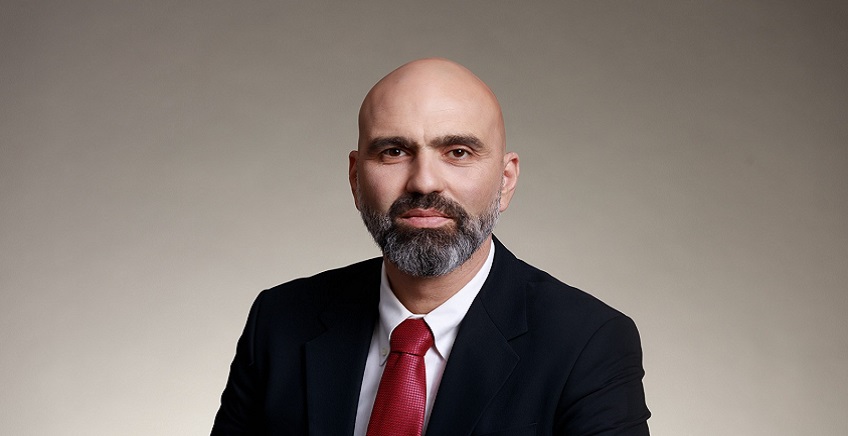
By Yohai Schwiger
Veloryx is preparing for the next stage in building its defense business. After acquiring control of drone manufacturer Aero-Sentinel, the company is negotiating the acquisition of an electronic warfare operation and is examining additional acquisitions in radar, ground robotics, and command-and-control systems.
Veloryx, formerly Aquarius Engines, aims to combine these capabilities into an integrated solution for protecting strategic facilities, infrastructure and other sensitive sites. The electronic warfare transaction is still at the non-binding memorandum-of-understanding stage, while the other potential acquisitions remain part of the company’s broader expansion plan.
Speaking with TechTime, Veloryx CEO Roy Bar-Gil said many countries are moving quickly to expand their defense capabilities but do not necessarily have the expertise to integrate systems from multiple suppliers.
“They need someone to orchestrate the whole thing for them, not just throw technology into the mix,” he said. According to Bar-Gil, customers need a contractor capable of designing a response to a specific threat, integrating the various systems and deploying them in the field. For Veloryx, acquiring companies is therefore only the first step. The real test will be whether it can deliver an integrated defense architecture rather than a collection of products from separate companies.
From Drones to an Integrated Defense System
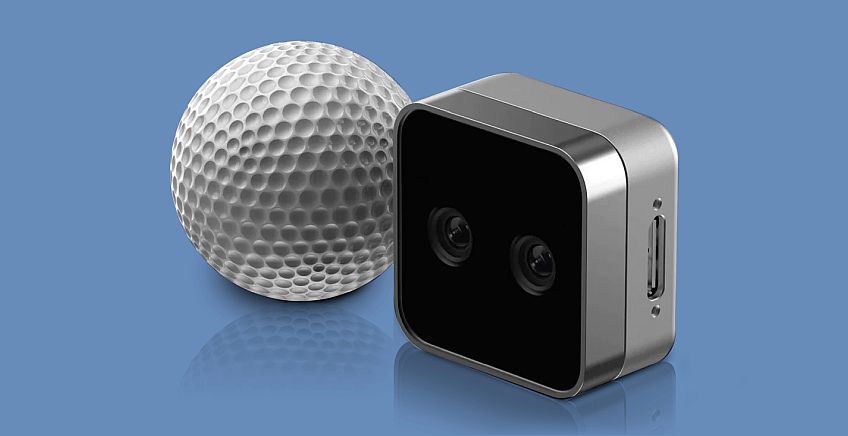
The foundation of the new business is Aero-Sentinel, formerly Aerosol Aeronautical Solutions. Veloryx completed the acquisition of a 70% controlling stake in May. Aero-Sentinel designs and manufactures surveillance drones and provides flight, training and support services. It also develops and manufactures aerospace products made from composite materials.
Aero-Sentinel generated approximately NIS 15.1 million in revenue in 2025. Its manufacturing facility was damaged in April when a missile struck nearby, prompting the company to relocate its drone operations to a new leased facility. According to Veloryx’s half-year report, the new plant has resumed regular operations and is being prepared for serial production.
The next capability Veloryx wants to add is electronic warfare and jamming. A memorandum of understanding signed in June covers the acquisition of 70% of an Israeli operation that has been active in the field for approximately 12 years. The proposed transaction includes a payment of about $40.6 million to shareholders and an additional $12 million investment in the company, as well as performance-based consideration.
According to Veloryx, the business has completed more than 75 projects in approximately 40 countries. As of the approval of Veloryx’s half-year report in August, no binding agreement had been signed, and the transaction remained subject to conditions including due diligence and financing.
“We are trying to build a group that can provide an end-to-end homeland security solution,” Bar-Gil said.
The focus, he explained, is on protecting strategic assets and sensitive sites such as data centers, logistics hubs, infrastructure facilities and stadiums. “It could be a data center, it could be an Amazon facility holding high-value goods, or it could be Israel’s National Water Carrier,” he said.
Protecting entire national borders is not Veloryx’s primary target market, although the company sees opportunities to protect vulnerable or blind spots along them. According to its investor presentation, the planned solution would combine threat assessment, detection, jamming and response, command and control, and field installation and maintenance. At present, only some of these capabilities are owned by the group.
Bar-Gil was appointed CEO in December 2025 after more than 20 years at Israel Aerospace Industries. His most recent roles included CFO and Chief Business Officer of IAI’s Aviation Group, followed by Vice President of Business Development at the corporate level. That background fits the task now facing him: building a group by acquiring companies with complementary capabilities and integrating them into a broader offering.
The model of assembling groups of companies with complementary technologies has gained traction in the defense industry, partly because modern defense systems increasingly need to integrate capabilities operating in the air, on the ground and across the electromagnetic spectrum.
One example is U.S.-Israeli Ondas, which has used acquisitions to add companies specializing in drones, robotics and counter-drone technologies. Veloryx is pursuing a similar model, primarily in homeland security and the protection of facilities and infrastructure. But while Ondas has also acquired growth-stage companies, Veloryx says it is targeting more established businesses.
“We’re not buying startups,” Bar-Gil said. “We’re talking about existing companies with product families, sales, profitability and positive growth.”
After Aquarius: Veloryx’s New Test
The shift into defense represents a fundamental change in the company’s history. Aquarius Engines went public on the Tel Aviv Stock Exchange in 2020 around its development of linear engines and power-generation systems, but failed to build significant sales around the technology.
After years of losses, downsizing and capital raises, Alexander Chernilovsky invested in the company and became its controlling shareholder. In December 2025, the board decided to refocus the company on defense and homeland security, and in January 2026 shareholders approved the name change to Veloryx. The company has signed an MOU to sell its legacy engine and generator operations, although that transaction has yet to be completed.
Veloryx’s ambitions are substantial relative to the scale of its current operations. In its investor presentation, the company set a revenue target of approximately NIS 326 million for 2029, based on the completion of additional acquisitions. It also anticipates needing approximately NIS 550 million in equity and debt financing to build the portfolio.
That defines the challenge facing Veloryx over the next several years: completing and financing its planned acquisitions, but more importantly, demonstrating that the acquired companies can operate together on a single customer project.
Bar-Gil believes that need is particularly evident in Europe, where countries are rebuilding capabilities in response to threats they have not had to confront for many years. One question remains open: who will design, integrate and deploy those defense systems for them? Veloryx is positioning itself as one of the companies seeking to provide that answer.
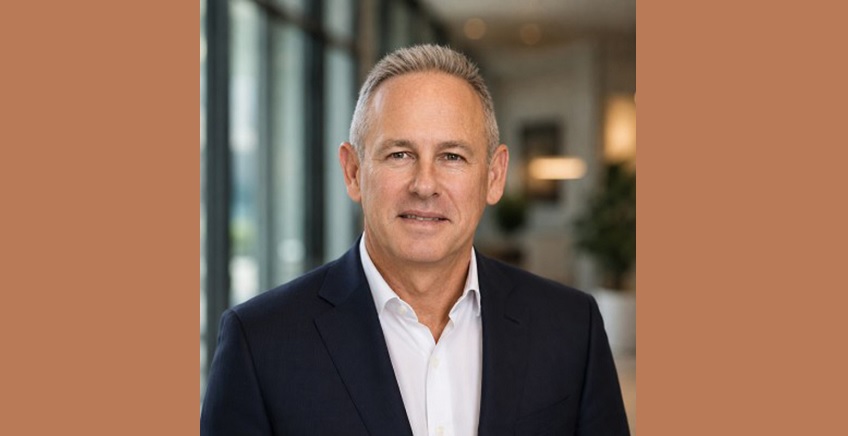
*Pictured: Veloryx CEO Roy Bar-Gil. Photo credit: Ilan Bashor. Image edited
Posted in: News
Posted in tags: Veloryx