Intel Cancels Manufacturing deal With Tower Semiconductor

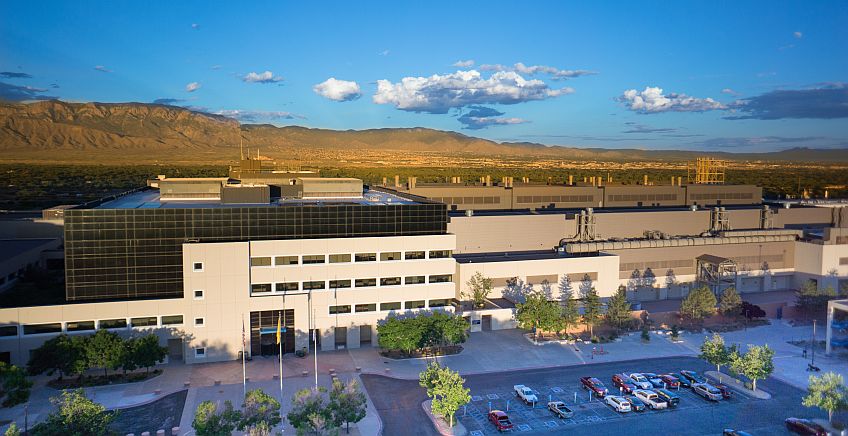
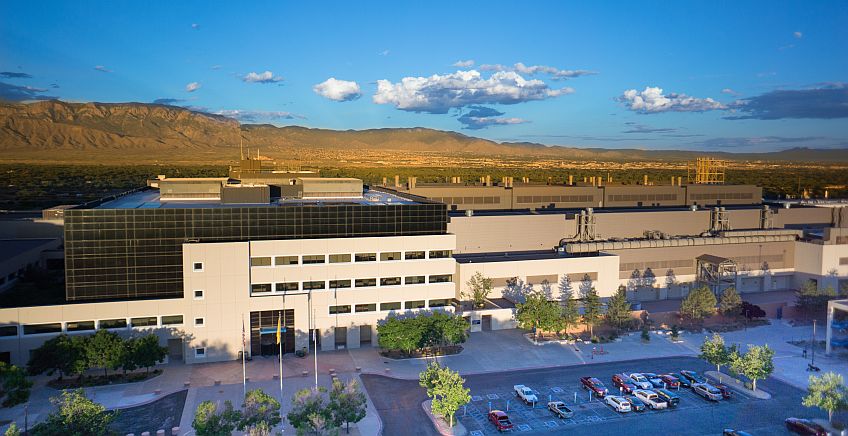
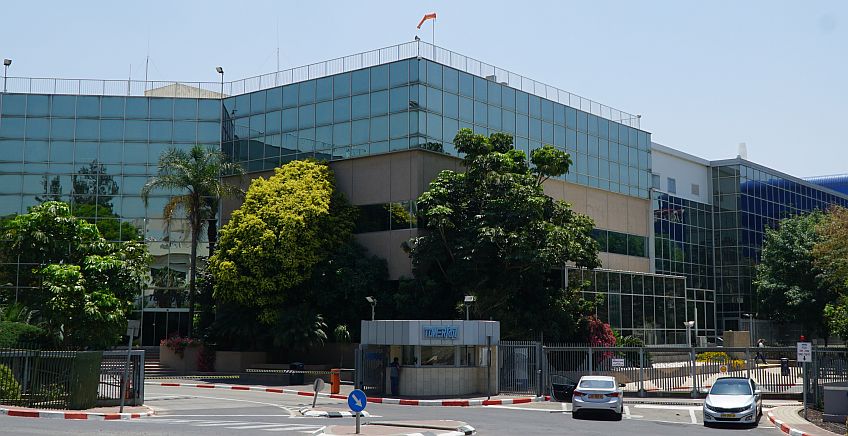
photo above: Intel’s Fab 11 facility where Tower’s chips were manufactured. Photo: Intel

Intel has withdrawn from its joint manufacturing agreement with Tower Semiconductor at Intel’s Fab 11X chip manufacturing facility in New Mexico, USA. Following the cancellation, the two companies entered arbitration proceedings. Tower has begun transferring customer production from Intel’s facility to its own Fab7 plant in Japan. The development was disclosed in a brief note at the end of Tower’s quarterly report released yesterday.

The manufacturing agreement was signed in September 2023, about three weeks after Intel’s planned acquisition of Tower was terminated. The deal allowed Intel to utilize a largely idle factory producing older-generation technologies. At the time, Intel Foundry Services (IFS) senior executive Stuart Pann said Tower’s investment would enable the equipment to be activated while Intel provided manufacturing services at the site.

Under the agreement, Tower committed to invest approximately $300 million to transfer processes and install production equipment, which would remain its property. In return, IFS would provide manufacturing services for power devices and RF SOI wireless solutions at volumes exceeding 60,000 wafers per month. For Tower, the deal provided significant capacity without building a new fab, using 300mm wafers that offer lower overhead and higher profitability.

Tower now says it transferred manufacturing processes originally developed at its Fab7 facility in Japan to New Mexico, qualified them and began serving customers. The company is currently moving those customers back to Fab7 in order to maintain supply continuity and service levels.

Record 2025 revenue

In the fourth quarter of 2025, Tower’s revenue grew about 14% year over year to approximately $440 million. Full-year 2025 revenue reached a record $1.57 billion, representing 9% growth compared with $1.44 billion in 2024. The company expects first-quarter 2026 revenue of about $412 million, roughly 15% growth year over year.

While the global semiconductor market expanded by more than 26% during this period, the primary growth driver was large advanced-node chips for data centers and AI — areas outside Tower’s core business.

Nearly $1 billion investment in capacity expansion

Tower is currently expanding manufacturing infrastructure for silicon photonics (SiPho) and silicon-germanium (SiGe) components, key technologies for communications and high-frequency RF applications. The company recently added another $270 million to the project, bringing total investment to about $920 million.

The goal is to complete installation and qualification by the fourth quarter of 2026 and begin full mass production in 2027. The project is expected to increase SiGe and SiPho production capacity fivefold compared with the fourth quarter of 2025.

Tower’s improving performance has been reflected in its stock price over the past year. The company now trades at roughly $140 per share on Nasdaq, compared with less than $50 a year ago. Even the dispute with Intel has not shaken the stock, which currently values Tower at about $15.1 billion.

Tower Semiconductor Withdraws from $10 Billion Chip Plant Project in India

Tower Semiconductor, based in Migdal HaEmek, Israel, has withdrawn from a long-standing partnership that competed over the past 13 years in a $10 billion public-private initiative to establish a semiconductor fabrication plant in India. During a conference call following the release of its financial results this week, the company stated it had decided to exit the project “for good reasons,” without elaborating further. The project had been in motion for years, beginning with the Indian government’s strategic push to build a local semiconductor industry. In 2013, Tower’s proposal was selected by the Indian authorities, but progress remained sluggish and no final decision on funding was ever made.

By the end of 2024, the project appeared to gain traction with all necessary approvals in place, aiming to build a facility employing around 5,000 people and reaching a monthly production capacity of 80,000 silicon wafers. Tower was slated to be the technology partner, providing manufacturing process expertise and operational know-how. However, once again, the initiative stalled. Two weeks ago, Reuters reported that Tower’s main partner in the venture, India’s Adani Group, had ceased all negotiations with Tower, citing economic impracticality due to lower-than-expected local demand.

Other sources told Reuters that Adani was also dissatisfied with the scale of Tower’s financial commitment to the project. Tower CEO Russell Ellwanger noted, in response to a question, that the company had made the independent decision to withdraw from the project about six months ago but chose not to issue a formal press release at the time.

Strong Q1 Performance and Growth Outlook

Despite the setback in India, Tower posted encouraging results for the first quarter of 2025. Revenue increased by approximately 9% year-over-year, reaching around $358 million. The company also issued a positive growth outlook for the remainder of the year, particularly in the second half, driven by capacity expansion investments—primarily in its joint ventures with Intel and STMicroelectronics.

Shift in Revenue Mix

An interesting shift was noted in the company’s Q1 revenue mix. Sales to the RF (radio frequency) market strengthened, particularly in Silicon Photonics (SiPho) and Silicon Germanium (SiGe) technologies, alongside growth in the power management components segment. Power management revenue grew from 10% of total sales in Q1 2024 to 18% in Q1 2025, while RF revenue rose from 14% to 22% over the same period. CEO Ellwanger projected that the RF market could double in size in 2025.

In response to developments in the power management market, Tower has begun entering a new segment: envelope tracking. This niche technology allows power supplies to continuously adjust voltage supplied to amplifiers, optimizing performance and energy efficiency. Following the earnings release on Wednesday, Tower’s stock rose by roughly 7% on Nasdaq, with the company now valued at approximately $4.7 billion.

Intel and Tower Announce Foundry Agreement

Photo above: Intel’s Fab 11X in Rio Rancho, New Mexico. Credit: Intel Inc.

Less than a month after the termination of a planned merger between Intel and Tower Seniconductor, the two companies announced a largescale production agreement: Intel will provide foundry services and 300mm manufacturing capacity to help Tower serve its customers globally. Tower will utilize Intel’s manufacturing facility in Rio Rancho, New Mexico (Fab 11X), and will invest up to $300 million to acquire and own equipment and other fixed assets to be installed in the facility.

The rearranement of the fab will provide production capacity of over 600,000 photo layers per month. Intel will manufacture Tower’s 65-nanometer power management BCD (bipolar-CMOS-DMOS) and radio frequency silicon on insulator (RF SOI) solutions flows. Stuart Pann, Intel senior vice president and general manager of Intel Foundry Services (IFS) explained during Goldman Sachs Communacopia & Technology Conference this week, that intel had unused capacity in Fab 11X, because it is an older factory for older technologies.

Initial Production in 2025

Pann: “We found a way to do contract manufacturing to take advantage of that extra space. Those older tools that we aren’t using, taking some investment from Tower to finish out the line.” The parties plan to achieve full process flow qualification in 2024, and to begin with full mass production in 2025. Tower CEO Russell Ellwanger said: “We see this collaboration as a first step towards multiple unique synergistic solutions with Intel.”

Tower provides foundry services for Analog semicinductor devices. It offers a broad range of customizable process platforms such as SiGe, BiCMOS, mixed-signal/CMOS, RF CMOS, CMOS image sensor, non-imaging sensors, integrated power management (BCD and 700V), and MEMS. Tower owns two manufacturing facilities in Israel (150mm and 200mm), two in the U.S. (200mm), two facilities in Japan (200mm and 300mm) which it owns through its 51% holdings in TPSCo and is sharing with ST a 300mm manufacturing facility in Italy .

Intel Announced the Termination of Tower’s Acquisition

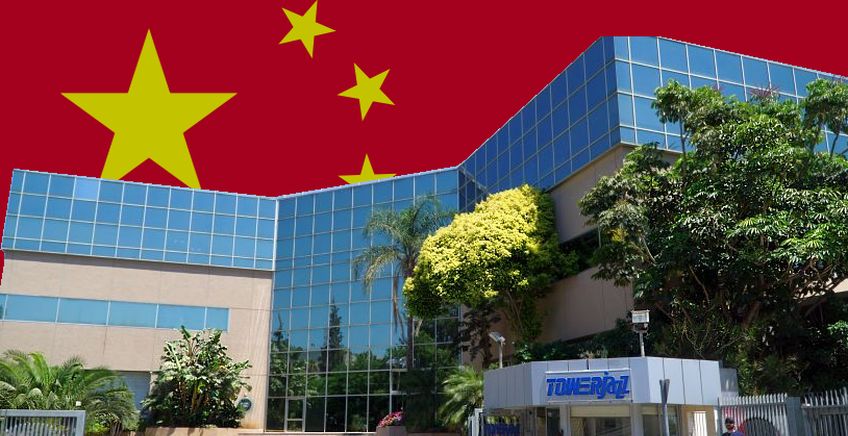
After it had failed to recieve the needed approval of Chinese regulators, , Intel Corporation announced that it has mutually agreed with Tower Semiconductor to terminate its previously disclosed agreement to acquire Tower. On February 15, 2022 Intel and Tower Semiconductor announced a definitive agreement under which Intel will acquire Tower for $53 per share in cash, representing a total enterprise value of approximately $5.4 billion. The aimed to strenthen Intel’s IDM 2.0 strategy to become a leading chip production services provider (foundry).

But during the last 18 months, the US-China tension proved to be a stronger force than Intel’s ambitions, and even after the deal had received across the board approvals, the Chinese authorities made no effort to proceed, and actually waited until it will be clear that no approvel is expexted to be given in the near future. “Our respect for Tower has only grown through this process” said Pat Gelsinger, CEO of Intel, “and we will continue to look for opportunities to work together in the future.”

Russell Ellwanger, Tower Semiconductor CEO, said: “We appreciate the efforts by all parties.  During the past 18 months, we’ve made significant technological, operational, and business advancements. We are well positioned to continue to drive our strategic priorities and short-, mid- and long-term tactics with a continued focus on top and bottom-line growth.”

Tower Semiconductor provides a broad range of customizable process platforms such as SiGe, BiCMOS, mixed-signal/CMOS, RF CMOS, CMOS image sensor, non-imaging sensors, integrated power management (BCD and 700V), and MEMS. It owns two manufacturing facilities in Israel (150mm and 200mm), two in the U.S. (200mm), three facilities in Japan (two 200mm and one 300mm) which it owns through its 51% holdings in TPSCo and is sharing a 300mm manufacturing facility being established in Italy with ST.

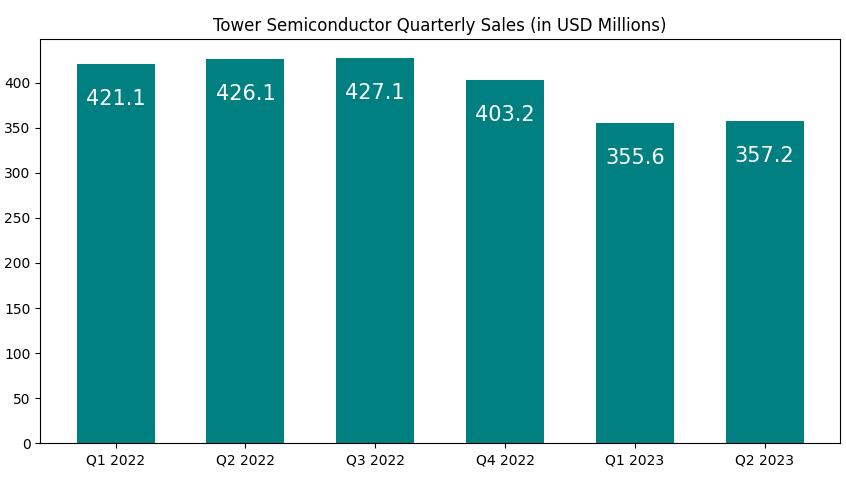
During the last year it faced a slight decline in sales, from $847 millions in H1 2022, to approximately $713 million in H1 2023. until this morning Tower was traded in NASDAQ in valuation of 3.85 billion – 20% below the deal valuation. It means that many investors preculated the deal will fail. Following the deal termination, Tower’s share lost additional 10%, bringing its valuation to approximately $3.5 billion


InZiv raises $10M; Tower president joins the board

Jerusalem-based InZiv, developer of nanometric testing and inspection system for flat panel displays, has completed a raise of $10M in a Series A1 round led by BlueRed Partners, a Singapore based venture capital fund, together with the Israeli OurCrowd and some other Asian investors. The company has also announced that Itzhak Edrei, President Emeritus of Tower Semiconductor, will be joining the Board of Directors. 

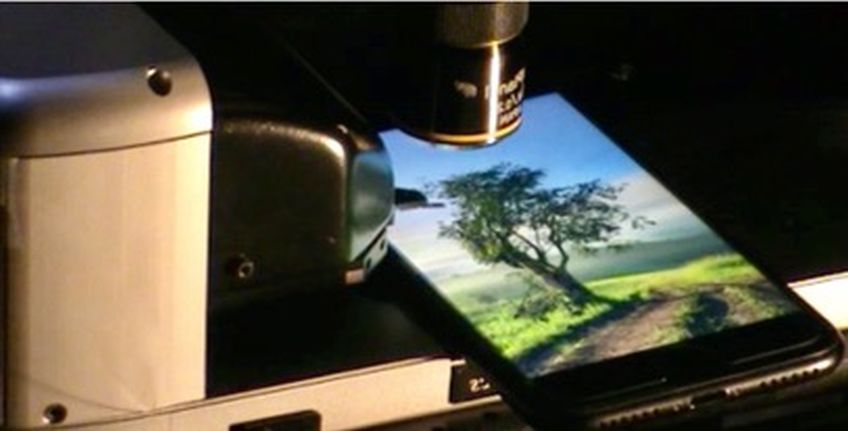
InZiv was founded in 2018 by CEO David Lewis and CTO Rimma Dechter, both earned their PhD in Applied Physics at Hebrew University with specialization in optical nanometric. The company has developed verification and quality control system based on optical and metrological technology in nano scale. This technology is intended to be used by flat panel display (FPD) manufacturers, such the ones used in smarthphones, and AR smart glasses.    

The significant improvement in resolution and sharpness of advanced displays currently in the market, such as MicroLED, OLED and QLED is achieved due to the pixels minimization, which are the smallest controllable elements of a picture represented on the screen. As pixels are smaller, more of them can be condensed in the screen, bringing much better quality to the picture displayed. In past generations’ screens, pixels’ size was hundreds of microns, while today we see screens with pixel size minimized to few microns only. This minimization trend, initiated by the smartphones industry, is expected to get boost by the AR/VR glasses industry, since in this area highest resolution is required due to the near-eye concept.

See within the pixel itself

However – as pixels are shrinking, they are more sensitive to defects in the production process. A grain of dust in the production line or microscopic discoloration may be the cause to a significant decrease in the quality of the finished product. This situation poses a complicated challenge to quality testing of the screens during production. Current testing equipment, which is based on standard microscopic optics, may detect defects at 1 micron (1000 nanometer) scale, something that highly limit these system’s capabilities to detect defects at the pixel level.

This technological flaw is ultimately reflected in a lower yield for the manufacturer, who has to discard the damaged screens and higher costs for the consumer. In an interview to Techtime at early 2019, right after the first fund raising, CEO and co-founder David Lewis talked about the current challenge in the market: “Current inspection equipment is fairly limited in the level of optical information it produces, making it difficult to locate defects and  comprehend the origin of the fault. Our inspection system, based on optical nanometric and precise metrological  implementations, makes it possible to achieve a 100 nanometer resolution. Since the resolution is higher, the manufacturer is capable of identifying defects in the early production phases and to detect the production flaw caused these defects. In more advanced screens, some of the defects are originated from within the pixel itself, something our system can detect”.

Intel to Acquire Tower for $5.4 Billion

Intel and Tower Semiconductor (based in Migdal Haemek, Israel), announced a definitive agreement under which Intel will acquire Tower for $53 per share in cash, representing a total enterprise value of approximately $5.4 billion. The acquisition supports Intel’s IDM 2.0 strategy to build a foundry services business. “Tower’s specialty technology portfolio, geographic reach and deep customer relationships will help scale Intel’s foundry services and advance our goal of becoming a major provider of foundry capacity globally,” said Pat Gelsinger, Intel CEO.

As a key part of its IDM 2.0 strategy, Intel established Intel Foundry Services (IFS) in March 2021 to become a major provider of U.S.- and Europe-based foundry capacity to serve customers globally. IFS currently offers leading-edge process and packaging technology, and a broad intellectual property (IP) portfolio. The transaction is expected to close in approximately 12 months. It has been unanimously approved by Intel’s and Tower’s boards of directors and is subject to regulatory approvals, including the approval of Tower’s stockholders.

Tower Semiconductor provides a broad range of customizable process platforms such as SiGe, BiCMOS, mixed-signal/CMOS, RF CMOS, CMOS image sensor, non-imaging sensors, integrated power management (BCD and 700V), and MEMS. It owns two manufacturing facilities in Israel (150mm and 200mm), two in the U.S. (200mm), three facilities in Japan (two 200mm and one 300mm) which it owns through its 51% holdings in TPSCo and is sharing a 300mm manufacturing facility being established in Italy with ST.

“With the addition of Tower, Intel is strongly positioned to bring more value to customers across the nearly $100 billion addressable foundry market.”

Tower join forces with ST in 300mm Analog Fab utilization

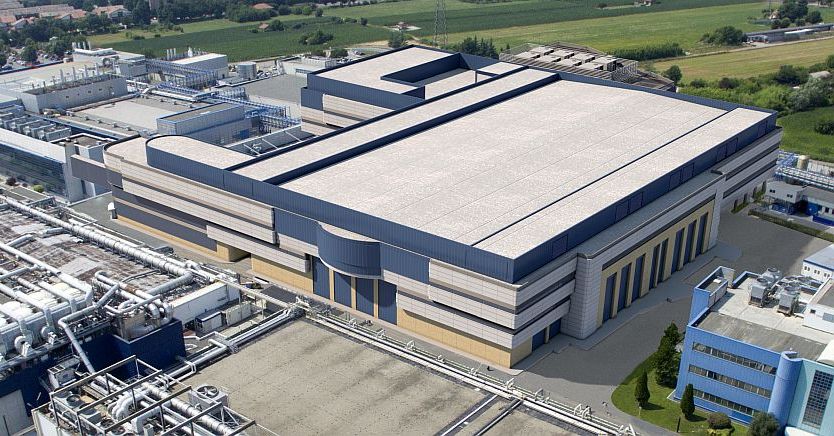
above: ST R3 300mm fab in Agrate Brianza, Italy. Source: IAA-NGO

STMicroelectronics (Geneva, Switzerland) and Tower Semiconductor (Migdal Haemek, Israel) have announced an agreement to operate together the ST’s R3 300mm fab under construction on its Agrate Brianza site in Italy. Both companies will accelerate the ramp-up of the fab. ST and Tower will share the clean room space and the facility infrastructure, with Tower installing its own equipment in one third of the total space.

The fab is expected to be ready for equipment installation later this year and start production in the second half of 2022. Both companies will invest in their respective process equipment and work together on the acceleration of the fab qualification and subsequent ramp-up. Operations will be managed by ST, with select Tower personnel seconded to ST in specific roles to support fab’s qualification, volume ramp-up and other engineering roles. In the early stage 130, 90 and 65nm processes for smart power, analog mixed signal and RF processes will be qualified in R3.

This will enable an optimal utilization of the fab almost right from the early stage of production”, said Jean-Marc Chéry, President and CEO of STMicroelectronics. “The products manufactured in Agrate R3 will support the automotive, industrial and personal electronics markets. They will contribute to ease the supply tensions in a wide range of applications in the mid to longer term.” Tower CEO, Russell Ellwanger, said that the agreement “will more than tripling Tower’s 300mm foundry capacity.”

To implement this project, Tower will establish a wholly-owned Italian subsidiary. Tower Semiconductor provides foundry services based on customizable process platforms such as SiGe, BiCMOS, mixed-signal/CMOS, RF CMOS, CMOS image sensor, non-imaging sensors, integrated power management (BCD and 700V), and MEMS. It operates two manufacturing facilities in Israel (150mm and 200mm), two in the U.S. (200mm) and three facilities in Japan (two 200mm and one 300mm) through TPSCo. Tower’s revenues for the full year 2020 totaled $1.266 billion.